
Interior vs. Exterior Painting: How to Decide What Your Home Needs First
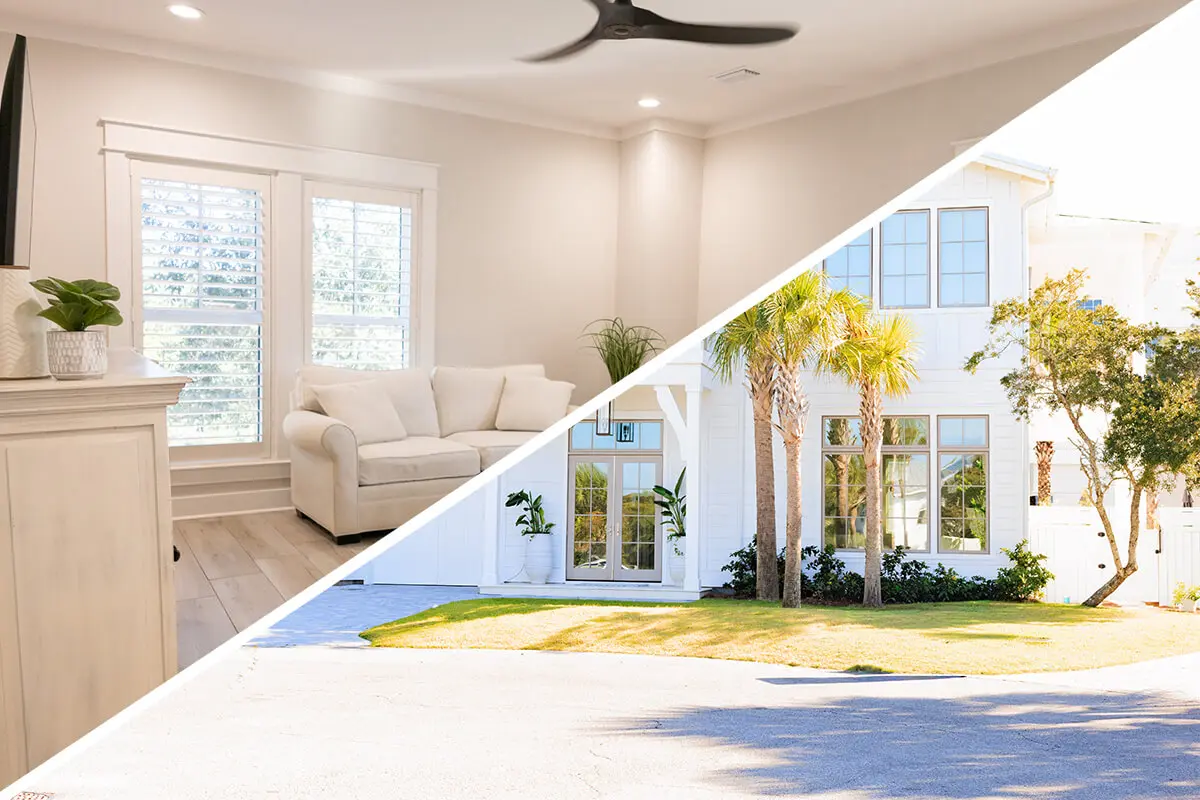
Many homeowners eventually face the same frustrating question: should you repaint the inside of your home first, or is the exterior the bigger priority right now? When both areas show signs of wear, the decision can feel overwhelming—especially when budget, timing, and daily disruption are all part of the equation.
Choosing the wrong project first can lead to unnecessary expenses, missed protection, or lingering discomfort inside your home. In some cases, delaying the wrong paint job can even shorten the life of surfaces that were already vulnerable. That’s why understanding interior vs exterior painting for homeowners is so important before picking up a brush or scheduling a contractor.
Every home has different needs, and the right choice depends on more than just appearance. Climate, surface condition, lifestyle, and long-term goals all play a role in determining which project should take priority. Coastal environments, in particular, introduce additional factors that can quickly shift the decision.
This guide breaks down how to evaluate your home’s condition, your goals, and your environment so you can confidently decide which painting project makes the most sense to tackle first—without regret or wasted effort.
Understanding the Key Differences Between Interior and Exterior Painting
Interior and exterior painting serve very different purposes, even though both aim to improve appearance and protect surfaces. Understanding these differences helps homeowners set realistic priorities.
Interior painting focuses on comfort, aesthetics, and livability. It affects how your home feels day to day and plays a role in cleanliness, mood, and even perceived space.
Exterior painting is primarily about protection. It shields your home from moisture, sun exposure, temperature changes, and environmental wear that can cause long-term damage.
There are also major differences in materials and preparation. Exterior paints are designed to be flexible, UV-resistant, and moisture-tolerant, while interior paints emphasize washability, low odor, and durability for daily use.
The impact on daily life differs as well. Interior painting can temporarily disrupt living spaces, while exterior painting often has less impact indoors but is highly dependent on weather conditions.
Signs Your Interior Painting Should Come First
In many homes, interior repainting becomes the priority when daily comfort starts to suffer.
Common signs include:
- Visible stains, scuffs, or worn areas that no longer clean up
- Peeling paint or cracking around trim, doors, and windows
- Outdated or dark colors that make rooms feel smaller or dated
- Marks from kids, pets, or furniture that affect the overall look
Interior paint plays a role beyond appearance. Fresh, well-maintained walls contribute to a cleaner-feeling space and can improve how light reflects throughout the home.
In some cases, interior repainting can also address indoor air quality concerns, especially when old coatings trap odors or show signs of mildew in bathrooms or kitchens.
If you spend most of your time indoors and the wear is noticeable every day, interior painting often delivers immediate satisfaction and improved livability.
Signs Your Exterior Painting Should Be the Priority
Exterior issues often demand attention sooner because they affect your home’s structural protection.
Warning signs include:
- Peeling, flaking, or bubbling paint
- Faded or chalky surfaces caused by sun exposure
- Cracked paint that allows moisture to penetrate
- Bare or exposed wood, siding, or trim
Exterior paint acts as a protective barrier. When it fails, moisture can reach underlying materials, leading to rot, swelling, or mold growth—especially in coastal climates.
Delaying exterior painting in harsh environments increases repair costs over time. What begins as a cosmetic issue can quickly become a structural concern.
If your home shows visible exterior deterioration, addressing it first often prevents far more expensive problems later.
How Climate and Environment Influence the Decision
Climate plays a major role in determining painting priorities, particularly in coastal areas.
Exterior surfaces are constantly exposed to:
- Intense sun that breaks down paint binders
- High humidity that encourages moisture intrusion
- Salt air that accelerates corrosion and surface wear
- Wind-driven rain that stresses coatings and seams
These conditions shorten the lifespan of exterior paint compared to inland homes, making timely repainting more critical.
Interior environments are more controlled, but climate still matters. Humidity can affect bathrooms, kitchens, and laundry rooms, where moisture-resistant coatings are especially important.
For many coastal homeowners, environmental exposure alone is enough to push exterior painting higher on the priority list—even if interior spaces also need attention.
Budget, Timing, and Project Scope Considerations
Cost is often a deciding factor when choosing between projects.
Exterior painting typically costs more due to:
- Larger surface areas
- Extensive preparation requirements
- Specialized materials and equipment
Interior painting can be more flexible. Homeowners may choose to repaint one or two rooms at a time, spreading costs over a longer period.
Timing matters as well. Exterior painting is seasonal and weather-dependent, while interior projects can be completed year-round with minimal constraints.
When budgets are limited, a phased approach often works best—addressing urgent protection needs first while planning interior updates over time.
How Your Goals Should Guide the Decision
Your reasons for repainting should heavily influence which project comes first.
If you’re preparing to sell:
- Exterior painting often creates stronger first impressions
- Curb appeal directly impacts buyer interest and perceived value
If you’re painting for personal enjoyment:
- Interior updates improve daily comfort immediately
- Color changes can transform how your home feels
Long-term homeowners may prioritize protection and maintenance, while short-term plans may favor visual impact.
Aligning your painting priorities with your goals helps ensure the investment pays off in the way that matters most to you.
When It Makes Sense to Combine Interior and Exterior Painting
In some situations, tackling both projects together is the smartest option.
This approach can make sense when:
- Your home needs significant updates inside and out
- You want cohesive color planning throughout the property
- Scheduling both projects reduces overall disruption
Combining projects may also create efficiencies in planning, preparation, and labor.
For homeowners who want a complete refresh, addressing interior and exterior painting together can deliver a unified, polished result.
How Professionals Help Homeowners Decide the Right Order
Professional evaluations remove guesswork from the decision-making process.
Experienced painters assess:
- Surface condition and underlying material health
- Environmental exposure risks
- Preparation requirements
- Long-term maintenance implications
Professionals understand how interior vs exterior painting for homeowners plays out over time, not just at the moment of completion.
Expert guidance helps homeowners avoid premature failures, unnecessary repairs, and costly rework—saving both time and money.
Making the Right Choice for Your Home and Lifestyle
There is no universal answer to whether interior or exterior painting should come first.
The right choice depends on:
- Surface condition and urgency
- Environmental exposure
- Budget and timing
- Personal comfort and long-term goals
By focusing on protection, livability, and long-term value, homeowners can make informed decisions that benefit their homes for years to come.
Understanding your priorities—and how each project impacts your home—builds confidence in the path forward and ensures your investment delivers lasting results.
If you’re unsure where to start, professional insight can make the decision much easier. A knowledgeable painting team can evaluate your home, explain your options clearly, and help you prioritize what matters most—without pressure or obligation.
Scheduling a professional assessment gives you clarity before committing time or budget, helping you move forward with confidence and a plan that fits your home and lifestyle.